Weekly Newsletter Issue 113
Weekly newsletter summing up our publications and showcasing app developers and their amazing creations.


Welcome to this week's edition of our newsletter.
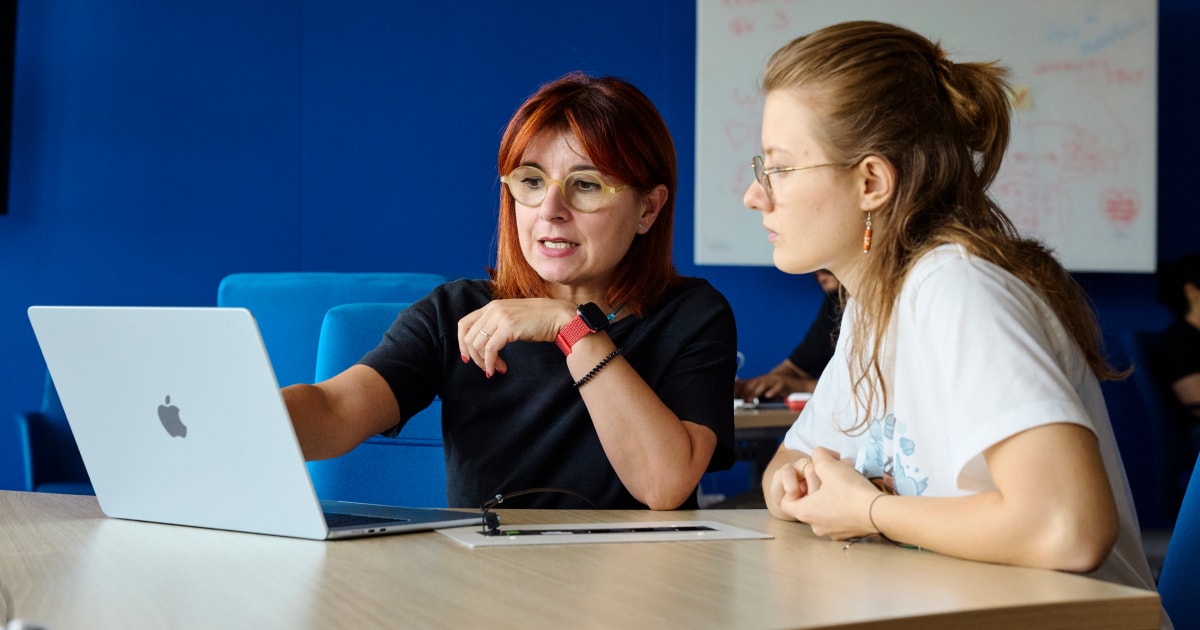
This year, while Apple celebrates 50 years of “thinking different,” the Apple Developer Academy in Naples, Italy is celebrating its 10 years of future-building. Born in 2016 from the collaboration between Apple and the University of Naples Federico II, the Academy has turned San Giovanni a Teduccio into a meaningful place in the Apple developer ecosystem: a campus where students from all over the world learn not only to code, but to design, collaborate, solve real problems, and imagine what comes next.
That context made Tim Cook’s words at WWDC26 feel even more powerful: “We’re also investing in the next generation through 20 Apple Developer Academies around the world, which have already helped tens of thousands of students begin their journeys.”
This is a reminder that the Apple ecosystem is not just built in Cupertino, or on stage at WWDC. It is also built in classrooms, labs, local communities, and by the next generation of developers.
Here's to ten more 🍾

Support us by becoming a sponsor!
Whether your goal is to raise brand awareness or promote your product or service, we offer flexible sponsorship options. We offer weeks, blocks of weeks, and even months to help you find your audience where they are.
 Create with Swift
For information about the current availability of weeks, send us an email.
From
The Community
Actors in Swift: The Problem They Solve and How it Works
Omar explains why Swift actors exist, how actor isolation protects shared mutable state, and what happens under the hood.
 Omar Elsayed
AsyncImage improvements in iOS 27
Natalia breaks down iOS 27’s AsyncImage improvements, including URLRequest support for custom headers, cache policies, and timeouts, plus a new modifier.
 Natalia Panferova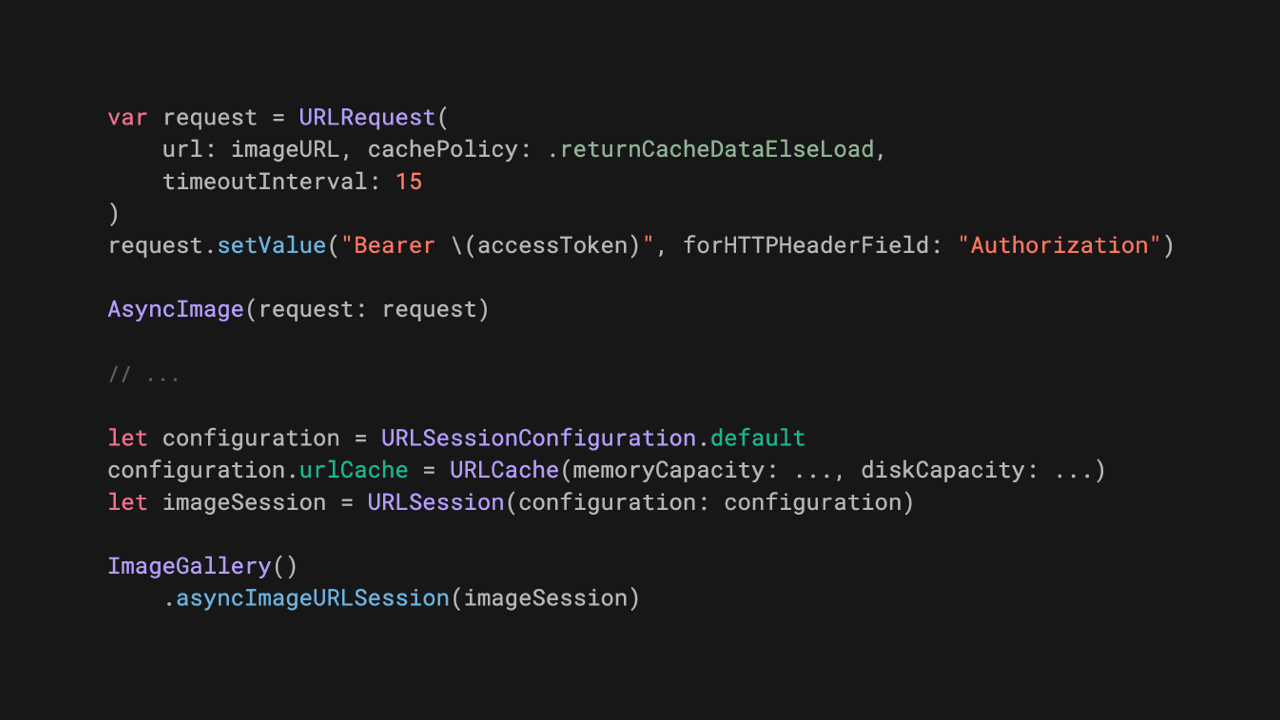
_UIPortalView: From Live Mirroring to Liquid Glass-Style Effects
Artem dives deep on how the private UIKit _UIPortalView mirrors live view content without duplicating view hierarchies or taking snapshots, using it as a window into how UIKit, Core Animation, and Liquid Glass-style effects compose live UI at the rendering layer.
 Livsy
Livsy
SwiftUI's new item based presentations in iOS 27
Sagar covers iOS 27’s new item-based alerts and confirmation dialogs in SwiftUI, where optional item or error state can drive presentation directly without extra Boolean flags or synchronization bugs.
 Sagar Unagar
Indie App of the Week
Gotcha
When we are out hiking or just taking a walk, our eyes tend to settle on the obvious: the view, the path, the distance. The smaller things that actually live there, the birds, the insects, the creatures moving through the undergrowth, go unnoticed. Slowing down enough to see them changes the experience entirely.
Gotcha, developed by Jurre, manages to stimulate exactly that kind of curiosity. You point your camera at a creature, and the app cuts it out of the frame, identifies it, and slides it into your personal index, with over 800 species across six rarity tiers, from mammals and birds to bugs and reptiles, most of them still waiting as silhouettes. The care in the details is incredible from the first screen: the animations, the haptics, the small satisfactions that make each catch feel like it means something. And yes... we tried pointing it at a photo on a screen. It knew.
 Jurre de Ruiter
Swift Package Index is joining Apple.
It has long been one of the best places to discover packages, check platform support, browse documentation, and understand a dependency before adding it to a project. The good news is that it is expected to keep running as it does today, remain open source, and continue serving the community.
It is a small sentence with big implications: package discovery in Swift might finally become a more central part of the developer experience.
https://swiftpackageindex.com/blog/swift-package-index-joins-apple
We can’t wait to see what you will Create with Swift.
See you next week!