

Branding with AI: Superpowers for Indie Creators
Build products that are not only functional but meaningful. Not only efficient, but expressive. Not only usable, but intentional.

In the first wave of AI tools, we learned how to accelerate development. Writing code faster, generating mockups by the dozen, and automating user flows. Speed was the headline. Now, a quieter and more consequential shift is emerging –one more about meaning and less about speed. AI is no longer just a production assistant. It is becoming a creative partner in shaping brand identity, cultural relevance, and emotional resonance.
Apps are no longer just tools. They function as media, as culture, as lived experience. What AI changes is not taste, but access: access to research, iteration, localization, and consistency. For indie developers, this marks a turning point. Capabilities that once required full branding, research, and marketing teams are now within reach of individuals and small studios. This is where AI becomes a branding superpower.
Branding is not choosing a font for a logo or picking an SF Symbol for an app icon. It is the intentional engineering of products and companies. It is the creation of identity systems that feel recognizable, coherent, and emotionally consistent across every touchpoint. The onboarding screen, the error state, the notification copy, the website, and the social presence should all feel like they belong to the same world.
At its best, branding becomes a conversation with the user, an expression of care, not just an optimization strategy.
This is not about following trends. It is about making a point of view legible. Branding is the collection of decisions that help people understand what an app –and the person behind it– stands for. Tone, pacing, visual language, and even what you choose not to build all communicate intent. When these choices align, a product begins, an app begins to express a lifestyle, a set of values, a way of being. It feels unapologetic and personal rather than standardized or flattening.
That is where indie developers have real leverage. Without layers of approval or diluted ownership, they can make clear, opinionated decisions –and build products that stand for something, and stand out because of it.
There is an uncomfortable truth here: not branding an app is still a branding choice. Neutrality communicates indifference. Generic interfaces signal replaceability. Silence about values creates ambiguity. Many indie apps fail not because they lack features, but because users never understand what the app is for, who it is for, or why it exists. Branding is how meaning becomes visible. Avoiding it does not make a product pure or objective –it makes it forgettable.
AI already helps developers ship faster. It writes boilerplate, suggests fixes, generates layouts, and removes friction from building code. The more relevant question is whether it can help developers ship better. Tools like Apple’s Xcode AI features, GitHub Copilot, Cursor, and Swift-friendly AI libraries are reshaping how interfaces and flows come together. But branding has never been just about clean UI or efficient code.
Branding lives in micro-decisions: the tone of a permission prompt, the rhythm of an animation, the weight of typography, the way an app acknowledges the user on a slow Monday morning. This is where AI begins to move from a coding assistant to a branding partner, helping developers explore, test, and scale those decisions with intention.
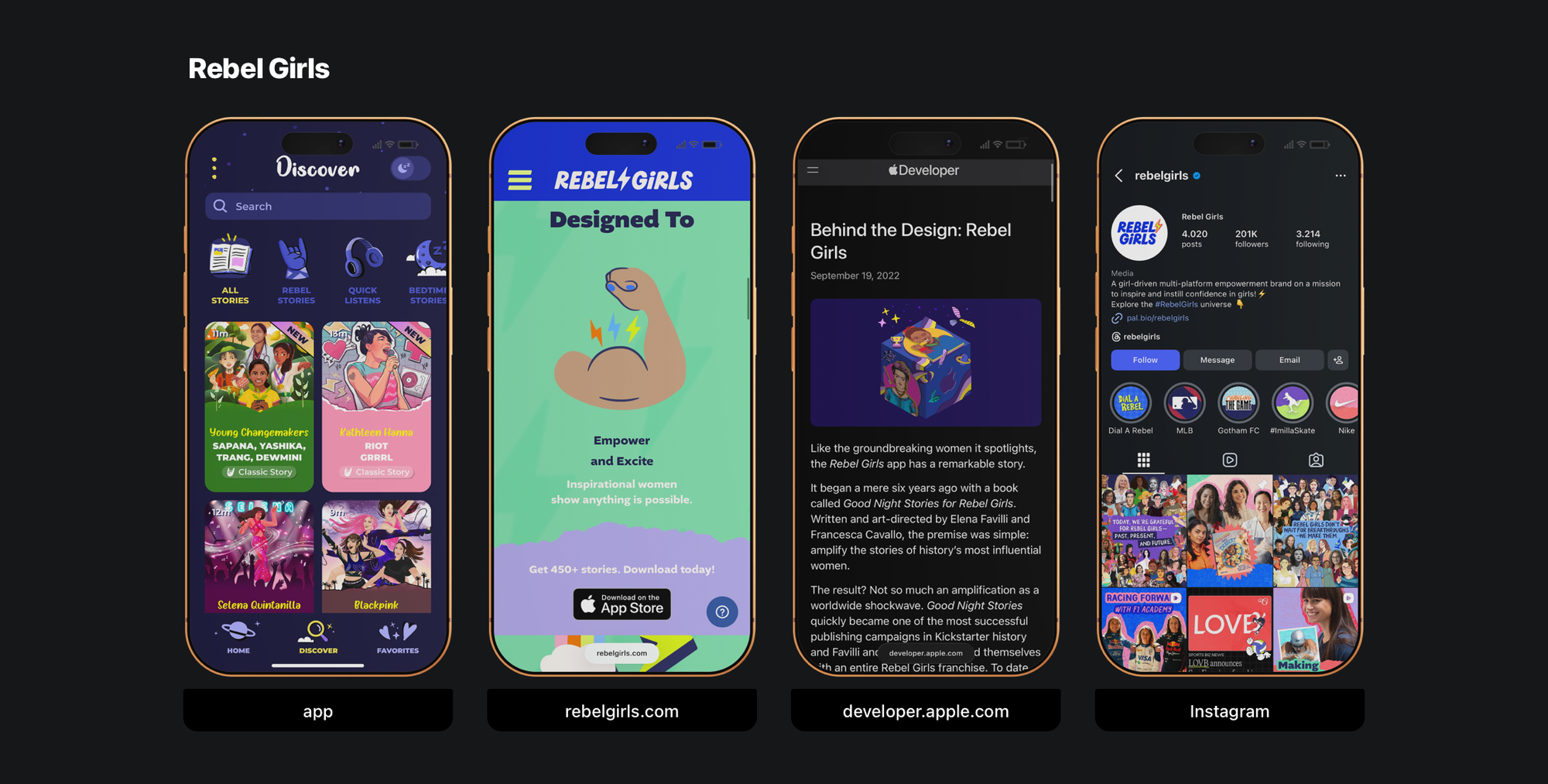
AI cannot invent values or define an app’s mission. That responsibility belongs to the human behind the keyboard. What AI can do is amplify what you already stand for –across languages, cultures, and formats. This is the real shift. AI gives indie creators access to superpowers that were once exclusive to large organizations. Powers like cultural fluency, adaptive language, and consistency across touchpoints, by carrying tone and intent through copy, interface, and communication. Tools that help articulate purpose clearly and responsibly, without relying on manipulation or growth-at-all-costs tactics.
This is what it means to scale meaning. Not scaling output nor features. Scaling care, clarity, and coherence so that an app still feels human.
Content only works when it serves a brand’s purpose. AI can help build modular content systems that connect execution to meaning, carrying a story across touchpoints without losing coherence. In a world of infinite scroll and constant noise, meaning becomes rare. Emotional resonance is what prevents an app from being forgotten –or deleted.
Brand identity is not a layer added before launching an app. It must be encoded into the logic of the product itself. Typography, animation, system colors, adaptive layouts, and accessibility behaviors become declarative, consistent, and scalable across devices. AI fits naturally into this process, turning brand decisions into product structure. It can suggest variations, explore creative directions, and automate repetition. But AI cannot decide what a developer believes. That work remains human.
Why This Matters for Indie Developers
Large platforms tend to standardize how actions and experiences work. There are good reasons for this. Standardization lowers friction, makes interfaces easier to learn, and creates predictable behavior at scale. When millions of people move through the same systems every day, consistency becomes a feature.
Indie developers operate under a different set of constraints –and freedoms. Without the pressure to serve everyone, they can choose to serve someone. They can encode values directly into the product, make intentional trade-offs, and design against the grain. In this context, branding isn’t decoration –it’s a declaration of what the app believes in.
For indie apps, branding becomes a strategic advantage. It creates recognition without scale, trust without a marketing budget, and emotional attachment without feature overload. A clear brand helps users understand an app before they fully use it. It sets expectations, signals intent, and creates a sense of belonging that no onboarding can replicate.
Art of Fauna is a good example. Accessibility is not treated as a compliance layer, but as a core brand philosophy. The app, a 2025 Apple Design Award winner, wasn’t designed to look standard –it was created to make a statement. Accessibility shapes its visual language, interaction patterns, and tone from the start. The same pattern appears across recent App Store Award winners. The visual planner Tiimo, iPhone App of the Year 2025, reinforces the same point: when an app is clear about who it serves and why, branding becomes inseparable from perceived quality.
Platforms like the volunteer-led, non-profit Consumer Aesthetics Research Institute reveal how deeply people care about visual identity and cultural alignment. Entire aesthetics now have names, archives, and communities. Categorization itself has become a cultural tool –helping people find taste, alignment, and belonging in an overwhelming digital landscape.
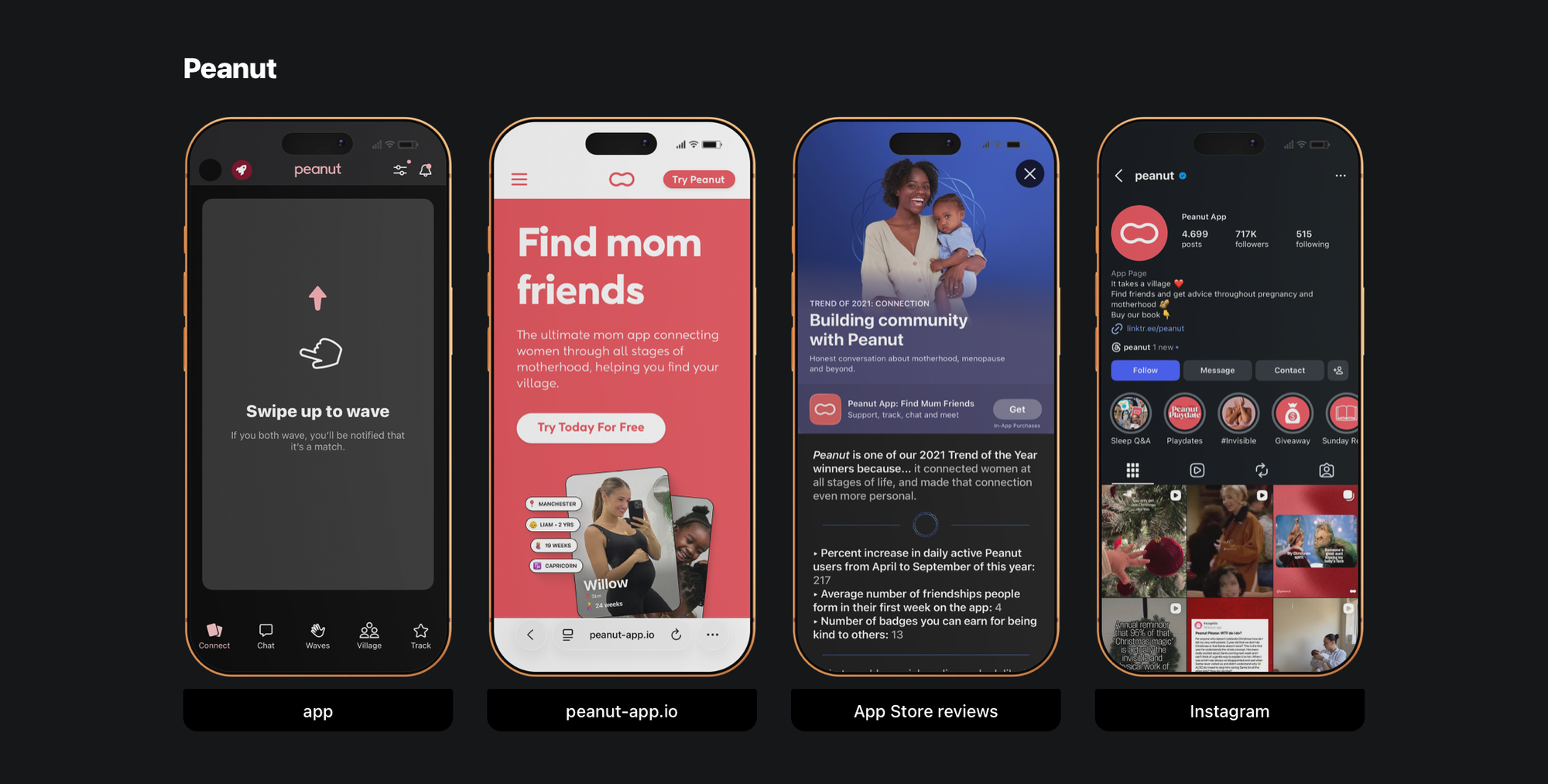
Apps now sit closer to communities than traditional media ever did. Indie developers are not just shipping software; they are shaping culture at a human scale. We gravitate toward products that resonate with us emotionally. We collect references, recognize patterns, and form micro-communities around shared sensibilities. This behavior is not accidental; it is embedded in how humans relate to objects, stories, and each other.
Generative AI complicates –or enhances– this landscape. It can remix styles, flatten context, and fabricate aesthetic histories on a large scale. As a result, human judgment, taste, and cultural literacy become more valuable –not less. For indie developers, branding is claiming authorship in a world of endless output. It’s signaling care, intention, and perspective in an environment increasingly shaped by automation.
In that sense, branding isn’t a luxury for indie developers. It’s how small products survive, connect, and matter.
Designing Meaning Into the System
This is where AI and code begin to merge –not as productivity hacks, but as cultural tools. SwiftUI allows brand decisions to be encoded directly into the structure. Typography, motion, accessibility, and layout become part of the system itself. AI, when used with intention, extends reach without removing perspective, preserving the authorship that makes indie work meaningful.
We’re creating an omnichannel for girls
— Jes Wolfe, CEO of Rebel Girls
Software shapes culture.
For solo developers and small teams, branding can feel overwhelming. Beyond designing an app, it’s about shaping perception, behavior, and telling a story. AI can’t own the outcome, but it can act as a creative partner, helping move from insight to execution faster and with more confidence.
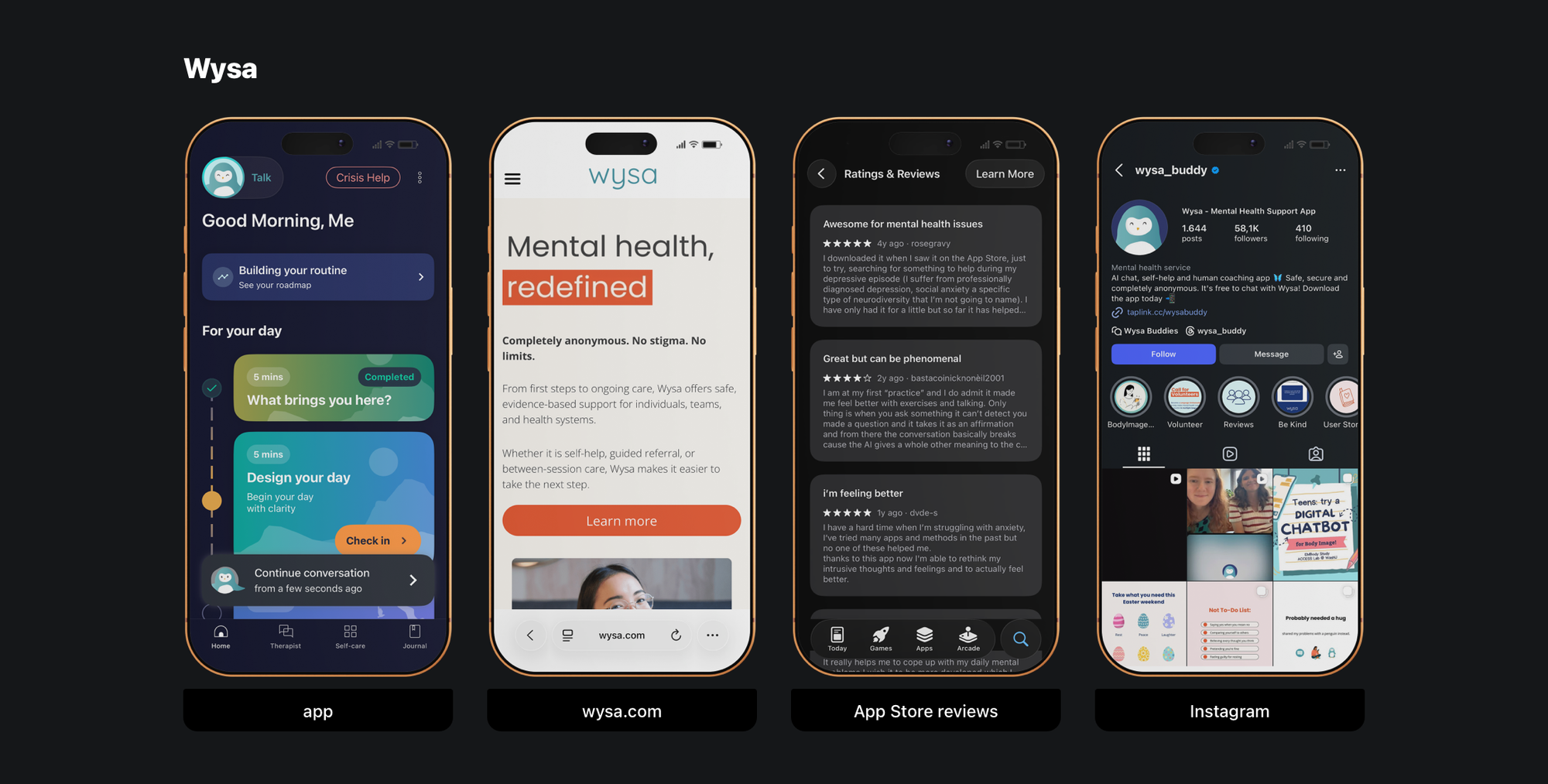
Branding begins with understanding people. AI-assisted research is one of the most significant shifts here. Analyzing App Store reviews, social discussions, and community forums surfaces patterns in language, emotional friction, and unspoken expectations. This data allows indie developers to ‘listen’ more closely to the users and to respond with intention.
Cultural fluency goes beyond translation. AI can help adapt tone, metaphor, pacing, and emotional framing across regions. An onboarding experience that feels calm in Japan might feel distant in Brazil, or overly soft in Germany. AI enables early experimentation with these nuances, allowing brand expression to flex culturally without fragmenting identity.
Voice and tone follow the same logic. AI can generate onboarding copy, notifications, and feature descriptions in different styles –playful, calm, reassuring– and adapt them across cultural contexts. Consistency becomes scalable while humans remain the editors and the tastemakers.
Visual identity becomes easier to explore without becoming generic. Tools like Diagram and Galileo AI can suggest layout structures, color directions, and typographic moods aligned with the app’s intent. This doesn’t replace design thinking; it eases experimentation, removing friction from exploration.
The same applies to discoverability. App Store copy, screenshots, and promotional text can be localized and tone-checked quickly, helping indie apps speak clearly in more places without losing their voice.
Emotion Before Automation
Even the most advanced AI systems cannot replace human judgment, empathy, or intuition. Branding is not about filling space with output. It is about creating space for meaning. AI can accelerate repetition, simulate reactions, and surface alternatives. Only humans can decide what deserves care or what requires restraint.
Those choices are the work.
Knowing what not to automate is as important as knowing what can be scaled. Context, taste, and intent are fragile. Once flattened, they are difficult to recover. The decisions that define a brand’s soul, its boundaries, its tone, and its ethics must come from the person behind the product.
This is not vibe branding. It is not aesthetic theater. It is the intentional use of tools in the service of belief.
The first wave of AI taught us how to move faster. This next wave is teaching us how to move with intention.
For indie developers, this is the real opportunity. AI combined with code and thoughtful design systems allows small teams to work with the depth and coherence of big studios. These are the real branding superpowers now within reach:
- Cultural fluency at a small scale, through adaptive language and context-aware UX
- Research without large teams, by listening more closely to users
- Consistency across touchpoints, without becoming generic
- Ethical storytelling, without manipulation or growth-at-all-costs tactics
Anthropic’s advertising is a good reference point. Restrained. Earnest. Minimal. In a landscape flooded with hyper-optimized noise, sincerity becomes the differentiator. Not because it is trendy, but because it is rare. That kind of clarity doesn’t come from automation; it comes from knowing what matters and protecting it.
Build products that are not only functional but meaningful. Not only efficient, but expressive. Not only usable, but intentional. AI is a lever; It can help your voice travel farther, but it does not create the voice. Branding is accessible. In an age of algorithmic sameness, your most human asset is your point of view. Use AI not to flatten it, but to let it resonate louder.